
Table of Contents
Student transportation services come in two forms. Most schools need both without realizing it going in. A daily route is a contracted, recurring service — same bus, same driver, same stops, every school day. A chartered trip is a one-time booking for a field trip, an athletic game, or an event. The vehicle can be identical. The contract underneath it is not.
Confusing the two is where transportation budgets go wrong. A program that tries to charter its way through a full school year pays for it, trip by trip. Stretching a daily route bus to cover a Saturday tournament creates a coverage gap for the students who need that same bus Monday morning.
Daily Routes vs. Chartered Trips at a Glance
| Daily Route | Chartered Trip | |
|---|---|---|
| Contract type | Ongoing — per semester or school year | Single trip, quoted individually |
| Schedule | Fixed pickup and drop-off, same time daily | One date, one departure window |
| Driver assignment | Same driver, learns the route and the students | Assigned per trip |
| Typical vehicle | 24- to 56-passenger bus sized to ridership | Sized to headcount for that specific trip |
| Billing | Per-day or per-route rate under contract | Hourly or daily rate — see our charter bus pricing guide |
| Who books it | Transportation director or school office | Teacher, coach, or activities coordinator |
Both models can run on the same fleet. The commitment changes. A daily route is a standing obligation with real students depending on it every morning. A charter is a single, defined trip with a start and an end.
What Counts as a Daily Route
A daily route is any student transportation service that runs on a fixed, recurring schedule — the same stops, the same times, five days a week for a semester or a full school year.
Who Relies on Daily Contracted Routes
Private and charter schools without their own fleet are the most common clients for daily routes. They need home-to-school transportation without the overhead of owning buses. After-school programs booking a consistent late-pickup shuttle fall into the same category. Small districts supplementing their own fleet during a shortage do as well.
What a Daily Route Contract Actually Includes
A real daily route contract covers more than just “a bus shows up.” It includes route mapping to every stop. It ensures a consistent driver and vehicle assignment so students and parents know who to expect. A backup vehicle is on standby, and documentation — insurance certificates, driver credentials, vehicle inspection records — is on file before the first day of service. Ridership counts are revisited each semester since enrollment changes and the route should change with it.
What Counts as a Chartered Trip
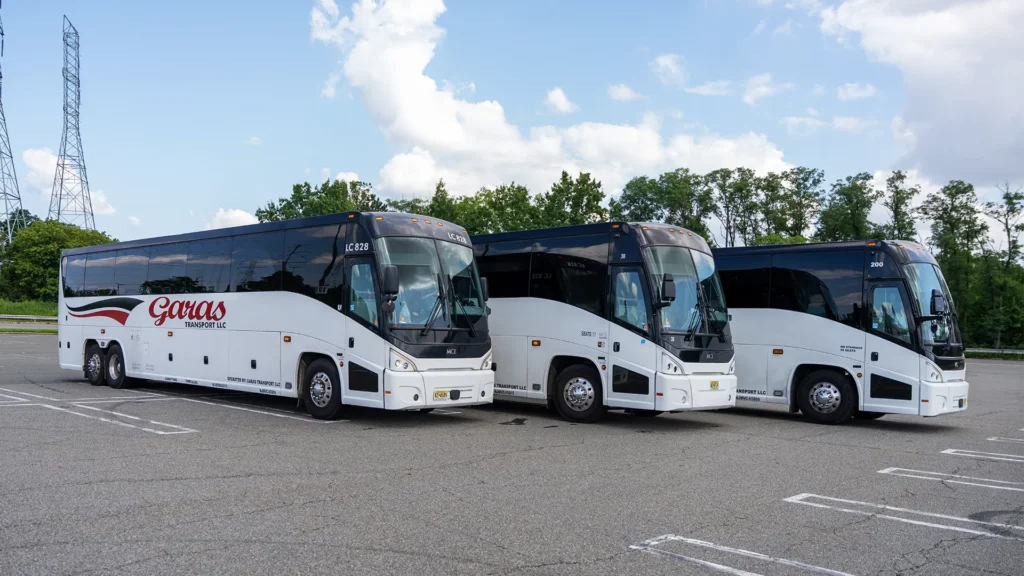
A chartered trip is any transportation booked for a single date with a defined start and end — no ongoing commitment, no recurring schedule.
Who Books Charter Trips
Coaches booking a bus to an away game, teachers arranging a museum field trip, and activities coordinators sending a team to a weekend tournament are the typical chartering parties. None of them need a contract. They need one vehicle, on one date, that shows up on time.
What’s Included in a Charter Quote
A charter quote covers the vehicle, a CDL-licensed driver, fuel for the route, and standard commercial insurance for that trip — the same components covered in any charter bus pricing guide. What it does not cover automatically is cargo space. A 56-passenger coach can comfortably seat a robotics team. It can less comfortably seat that same team, their equipment cases, and one oversized competition trophy, if nobody mentions the trophy until boarding. Confirm what’s coming with the group, not just how many people are in it.
Cost Differences Between Daily Routes and Chartered Trips
Cost is where the two halves of student transportation services diverge most. Daily routes are priced as a flat per-day or per-route rate under contract, based on mileage, ridership, and the length of the school term. Charter trips are priced per trip, by the hour or the day, the same way any single charter booking works — vehicle size is the biggest variable in both cases. Our charter bus pricing guide breaks down real hourly and daily rates by vehicle size if you’re budgeting a specific trip.
The practical difference: a daily route locks in a rate for the term, so the budget is predictable. A charter trip is a new quote every time, which means costs can vary with the season — spring and fall are the busiest for school trips, and rates reflect that.
Safety and Licensing: Same Standards, Different Schedule
The licensing requirement does not change based on contract type. Any vehicle carrying 16 or more passengers requires a driver with a Class C commercial driver’s license and passenger endorsement, plus completed Entry-Level Driver Training. A daily route driver and a charter driver meet the identical federal bar.
What changes is what happens when something goes wrong. On a charter trip, a delay is disruptive but contained to one day. On a daily route, a bus that doesn’t show up means students who cannot get to school — which is why a real provider keeps a backup vehicle and driver on standby specifically for route coverage, not just for charters. Pickup and drop-off procedures also carry federal guidance regardless of vehicle type: NHTSA’s school bus safety guidance is built around the fact that the highest-risk moment for a student isn’t the ride — it’s boarding and leaving the vehicle at the curb. New Jersey school transportation providers are also subject to state pupil transportation requirements covering driver screening and vehicle standards, on top of the federal floor.
Capacity, Comfort, and Accessibility
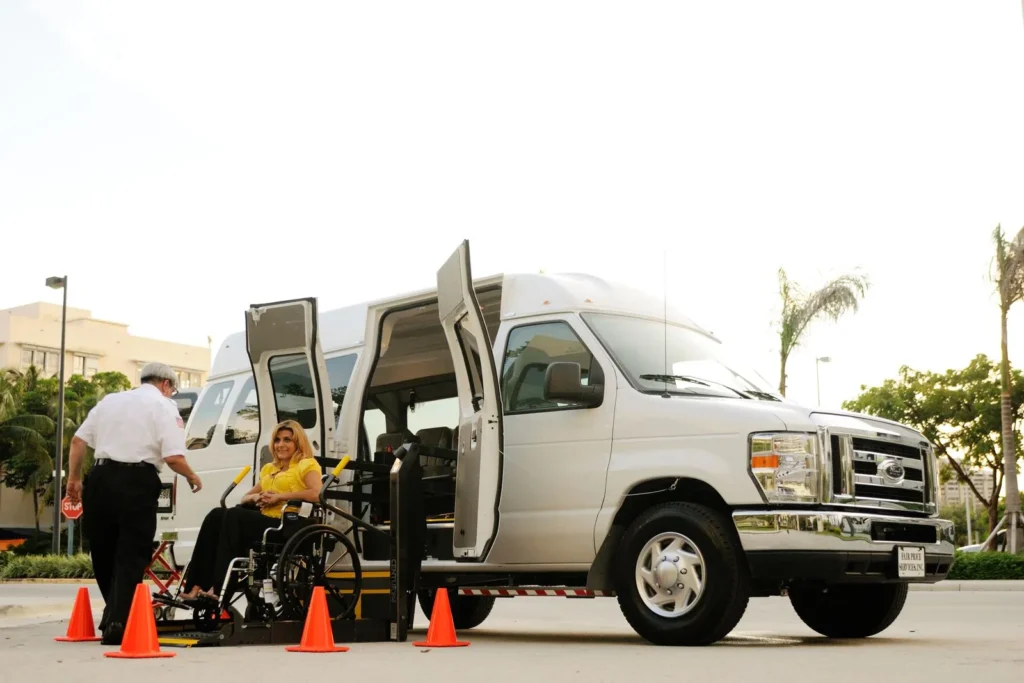
Vehicle capacity works the same way for both service types — match the vehicle to the confirmed number of riders, not the largest one available. Where daily routes and charter trips genuinely diverge is accessibility planning.
The honest answer on special needs transportation: it is not just about the vehicle. A wheelchair-accessible bus without a trained attendant on board is still a compliance gap, whether it’s running a daily route or a single field trip. Ask any provider about attendant training and vehicle certification specifically — not just whether the bus has a lift.
Garas Transport built accessible vehicles into the standard fleet rather than treating them as a special-request category. That decision came directly out of daily school routes: special needs students take field trips too, and a fleet that can’t accommodate them on both the Tuesday route and the Friday trip means some students stay behind. We don’t offer that outcome.
When to Choose Daily Routes, When to Charter, and When You Need Both

Signs You Need a Daily Route
Regular, predictable attendance at the same location, five days a week, for a full semester or year, is a daily route by definition. If you’re re-booking the same trip every week, you’re already paying charter rates for what should be a contract.
Signs You Need a Charter
A single date, a destination outside the normal route, or a one-time group size that doesn’t match your regular ridership all point to a charter. Prom, an away tournament, and a field trip are charters — not because the distance is different, but because the commitment is one day long.
Running Both Under One Provider
Most schools with an active daily route also need charters throughout the year, and running both through the same operator is usually the more efficient setup. The dispatcher who manages your Tuesday morning pickup is the same person who takes the call about Friday’s away-game bus. (Some organizers are surprised this isn’t standard. We consider it the baseline for anyone who actually owns their fleet.) One point of contact means your accessibility requirements, your preferred stops, and your school calendar are already on file before you request a charter — instead of explaining all of it again to a new vendor.
How to Set Up Student Transportation Service With Garas Transport
Setting up a daily route is a different process than requesting a single charter quote. A charter needs four things: headcount, addresses, date, and accessibility requirements. A daily route contract needs ridership by stop, the full semester calendar, any accessibility needs across the roster, and a service start date — because the route has to be mapped and the driver assigned before day one, not the morning of.
Garas Transport runs both halves of student transportation services out of Perth Amboy and East Brunswick. The same dispatchers handle route coverage and charter requests. If you’re not sure which one your program needs, that’s a five-minute phone call, not a formal proposal process.
In summary, understanding the differences between daily routes and charter trips is essential for effective student transportation services. Proper planning can optimize the use of resources and meet the needs of students efficiently.
Frequently Asked Questions
What’s the difference between a daily student transportation route and a chartered trip?
A daily route is a recurring, contracted service — the same vehicle and driver run the same pickup and drop-off schedule every school day, billed per-day or per-semester. A chartered trip is a one-time booking for a specific date, like a field trip or athletic game, quoted by the hour or the day. The vehicles can come from the same fleet. The contract structure underneath is what’s different.
Can one company handle both daily routes and charter trips for our school?
Yes, and it’s usually the more efficient setup. An operator already running your daily route knows your students, your stops, and your accessibility needs. Booking that same operator for field trips and athletic trips means one dispatcher and no re-explaining your requirements to a new vendor every time you need a bus.
Is a chartered bus more expensive than using the daily route bus for a field trip?
Usually, per trip — a charter is quoted individually with its own driver hours and fuel, while the daily route bus is already a fixed cost in the transportation budget. But pulling a daily route bus off its regular schedule creates a coverage gap for the students who rely on it that morning. Most schools charter a separate vehicle rather than disrupt the route.
Do daily student transportation routes require different licensing than charter service?
No. Drivers on both daily routes and chartered trips need a valid CDL — Class C at minimum with a passenger endorsement for vehicles carrying 16 or more passengers, plus Entry-Level Driver Training. What differs between the two service types is scheduling and route familiarity, not the underlying license requirement.
What happens if a daily route bus breaks down?
A legitimate student transportation provider has a backup vehicle and driver on standby for exactly this. Ask any provider, before you sign a contract, how fast they can get a replacement bus to a route already in progress. If they can’t give you a specific answer, that’s the answer.
Are wheelchair-accessible buses available for both daily routes and charter trips?
They should be. Wheelchair accessibility should be a standard fleet spec, not a special-request category limited to one service type. Confirm accessible vehicles are available for the daily contract and for any chartered trips before you commit — a fleet that only covers one creates a gap for students who need it in the other.